If you were asked about research, what is the first thing that crosses your mind? A boring, complicated and burdensome scientific report or other negative stigma? Some of you probably think so. Therefore, an effort to change this negative perception of research, SCORE CIMSA Faculty of Medicine, University of Padjajaran held a project called Little Einstein 2.0, where we tried to create a better impression about research by making it more interesting.
Little Einstein 2.0 was held in November 12th 2017, and took place in Al-Ma’soem High school Jatinangor Bandung. The event mainly taught the students about how to collect primary data from the community through a questioner. The data to be collected are the factors related to acute respiratory tract infection (ARTI) in one of the region in Hegarmanah villege. Our target are the members of Karya Ilmiah Remaja (KIR) in Al-Ma’some high school as our participants based on the result of our assessment, and the first year students of Faculty of Medicine, University of Padjajaran, that was chosen through selection and have received a training about research and questioner, as the facilitator.
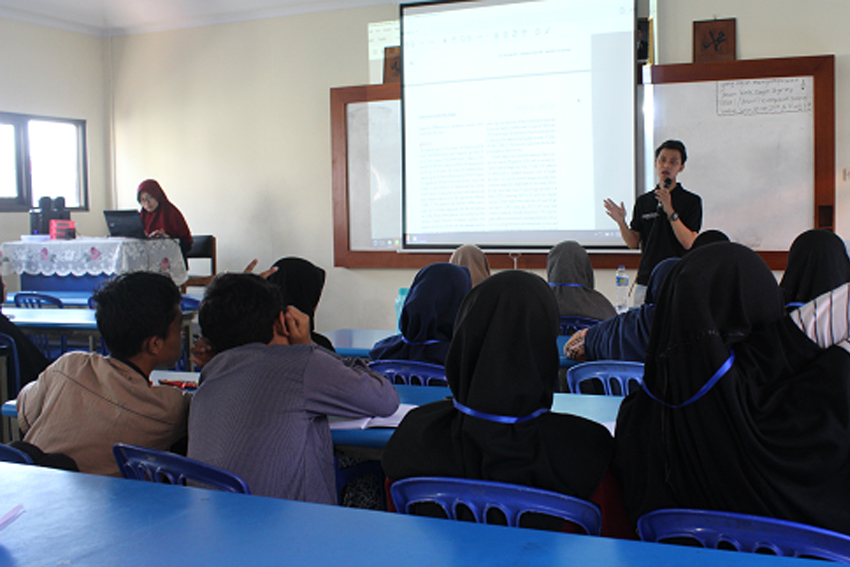
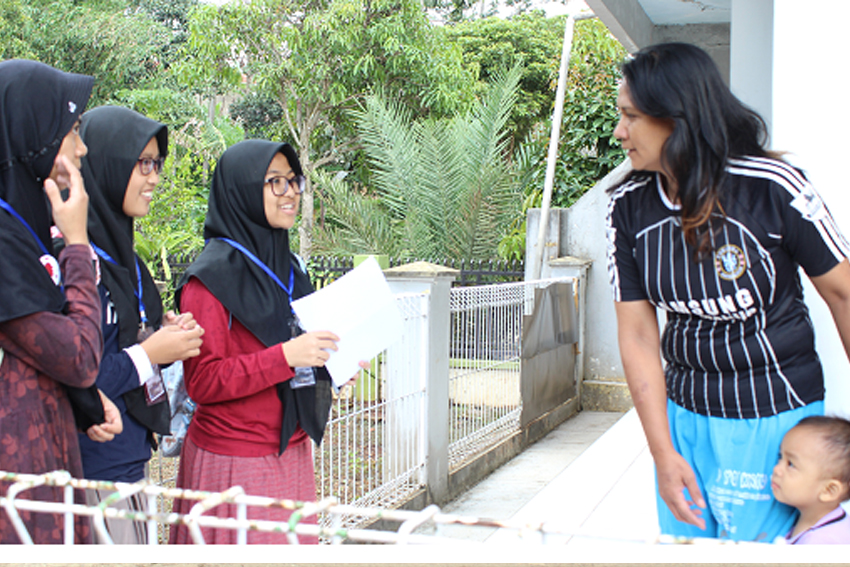
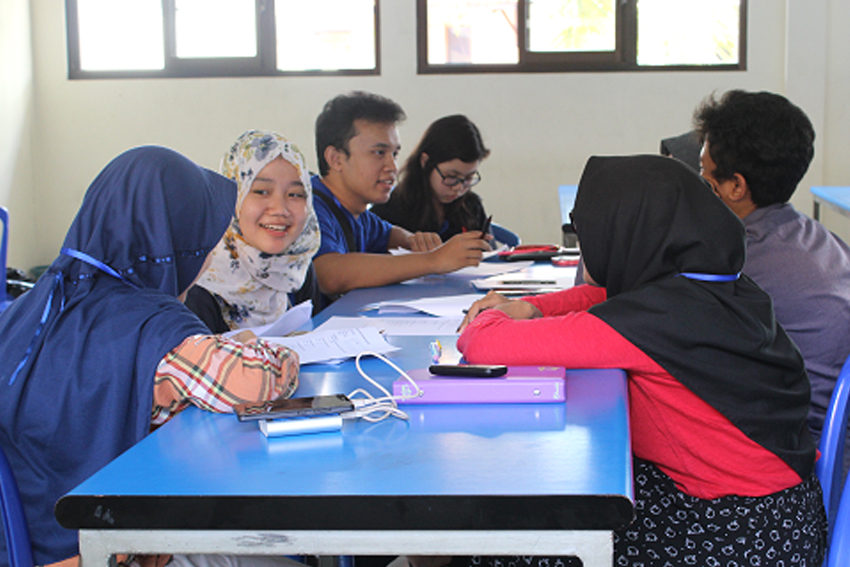
The project Little Einstein 2.0 consisted of a series of event. The first event was research training, where we gave the students explanation about research and the use of questioner itself. The training was done by Muhammad Rizki Fadil, a Research and Development Director of National CIMSA for period 2017/2018. The second event was a simulation of primary data collection through questioner, where the facilitator acted as the community while the students acted as the researcher. We taught the students what and how to speak in the community in order that they would be able to collect the data properly. After the simulation, students were given a game to boost their enthusiasms. Afterwards, which was the last event, participants and facilitators were asked to visit the community, which was one of the RW in the village. They gathered the data as needed by visit the houses one by one.
Throughout the project, both participants and facilitators seemed excited. They asked some question while training, and seem enthusiast during the interaction with the community. After the project ended, we took a group photo together with the students of Al-Ma’some high school. We hope that the project gave them a good experience of doing research, as well as a good image of research, that research is not all about boring and complicated stuffs. We also hope that both participant and facilitators would look forward to knowing more about research and would have the interest to do a more serious research in the future.