Neglected Tropical Diseases or NTDs is a group of infectious diseases which is part of Indonesian endemic diseases that correlate with poverty, vile environment, and tropical climate. In 2015, CDC has stated that around 150 countries still have a high prevalence rate of NTDs; it is found that 1 million people are infected with NTDs and the mortality rate skyrocketed to 500 thousand per year. World Health Organization or WHO has noted 17 different diseases that considered to be NTDs and with 5 of the diseases still strongly affecting Indonesia, such as filariasis, schistosomiasis, soil-transmitted diseases, leprosy, and yaws. Aside from physical deterioration, NTDs also have a high correlation in degrading people quality of life. Common people still consider NTDs to be not harmful and thus no need to go to the doctor. In that regard, although the mortality rate is still inferior to other diseases, the morbidity rate is higher. One of such disregarded NTDs is tuberculosis, which makes it the appropriate topic for the GAP Exchange commencement.
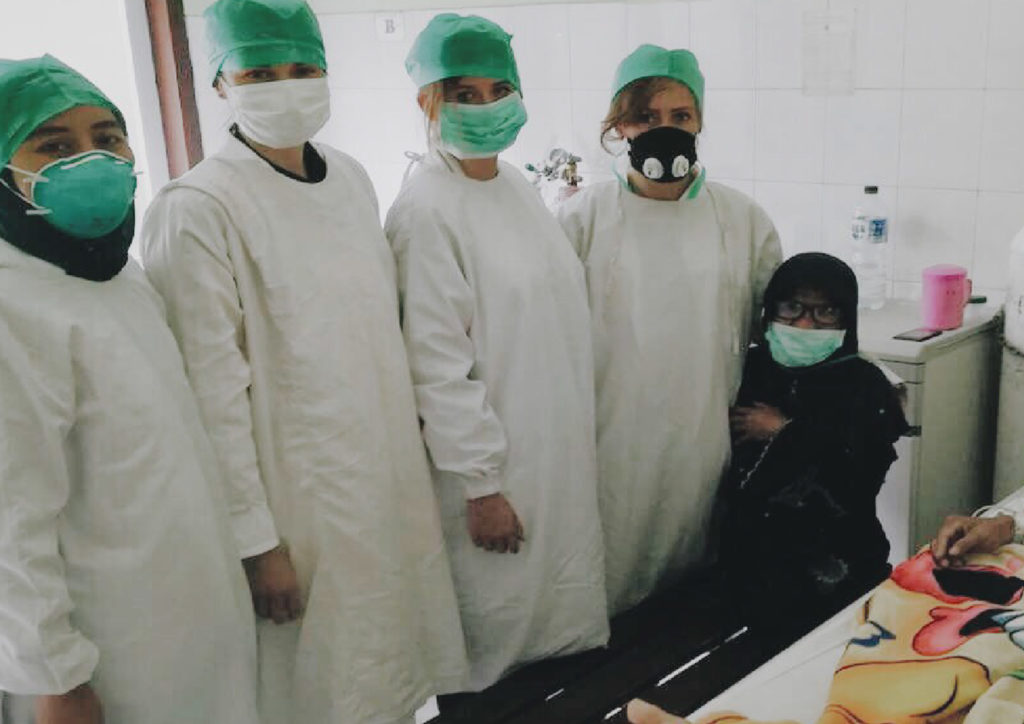
The execution of GAP Exchange is divided into five big groups of expert lectures, lab projects, community education, sample collection, and analysis, as well as result presentation. On the first week of GAP, incomings are led around by DORE-DOPH members around to introduce them to the area, rules and regulations, and the involved parties. The incomings then discuss with the tutor of their required schedule and given a briefing of the projects. Furthermore, the incomings and DORE-DOPH members are then invited by the tutors to examine patients infected with varicella and also herpes zoster. The day then continued with a discussion about the patient and also some brief lectures about the patients’ diseases. Within the first week of exchange in RSSA, incomings are taught about the tropical diseases particularly tuberculosis. The tutor also gives information about diagnosis methods, treatment regiment, and supporting investigation as well as how to apply it to different cases of tuberculosis. There is also a special expert lecture by dr. Ery Olivianto, Sp.A.
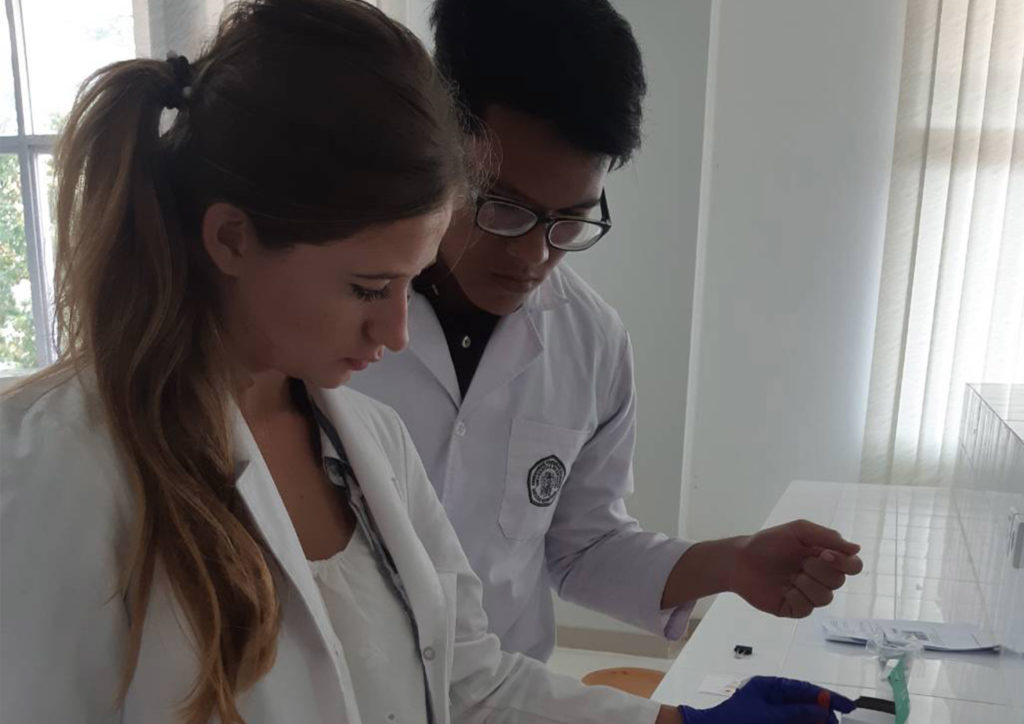
On the second week of GAP, the incomings and several members of DORE-DOPH are enacting research in the lab located in Faculty of Medicine, Brawijaya University and also the central lab of RSSA. The lab work involves how to handle samples of tropical diseases such as tuberculosis, malaria, diphtheria, and others as well as how to diagnose it microbiologically. The incomings and the member of DOPH-DORE give education to the community alongside the KPRS, IKA, RSSA, nurses, and specialist about tuberculosis; in particular about the clinical sign and symptoms, prevention method, and treatment. On the last few days of the third week, the incoming then give a presentation in front of the tutors and specialist about what do they get and what do they do in the GAP Exchange. Seeing the enthusiasm and satisfaction on the incomings, DORE-DOPH of Brawijaya University proud to say that all of the GAP Exchange activity has successfully done without any major hurdle.